
Menu


Conversational AI and voice AI have moved from pilot projects to production workflows in healthcare.
The organizations seeing the biggest results aren’t just deploying chatbots — they’re embedding AI into governed, compliant workflows that protect brand/clinical voice, reduce administrative burden, and improve patient experience.
This post looks at real-world examples of how healthcare organizations are using conversational AI today, and what it means for teams building scalable, regulated AI content and operations systems.
Most healthcare AI experiments fail for the same reason: they treat AI as a standalone tool instead of a governed workflow layer.
The organizations seeing consistent, compliant results consistently do three things well:
Are rising operational costs, staff burnout, and increasing patient demands for immediate, personalized care stretching your healthcare organization thin? Discover how Conversational AI is delivering tangible solutions, enhancing patient experiences, and driving better health outcomes. This guide explores real-world case studies and provides actionable insights for strategic AI implementation in your healthcare organization. Learn more about our AI strategy services for healthcare providers and patients.
The healthcare landscape is undergoing a rapid transformation, with Artificial Intelligence (AI) at the forefront. Conversational AI—using messaging apps, voice assistants, and chatbots for automated, personalized communication—is emerging not just as a technology, but as a strategic imperative for forward-thinking healthcare providers. It’s about creating human-like dialogues to elevate care delivery.
This shift is driven by the dual pressures of patient expectations for instant, tailored care and the continuous march of technological advancement. Healthcare organizations embracing Conversational AI are already seeing benefits: faster response times, increased patient satisfaction, and improved outcomes, all while potentially reducing operational burdens. The goal isn’t to replace the human touch, but to augment it, freeing healthcare professionals to focus on complex, patient-critical tasks.
This article dives into a specific case study, illustrating how Conversational AI is becoming a necessity in modern healthcare, followed by key considerations and future trends for leaders like you.
Our central case study focuses on a multi-specialty hospital facing a common industry challenge: maintaining exceptional patient satisfaction and service quality amidst an ever-increasing caseload. Traditional, human-led customer service, appointment booking, and inquiry handling were straining resources, impacting both patient care and staff morale. The institution recognized the urgent need for a digital solution to innovate its patient interaction model.
Before we detail the journey, here’s what this hospital achieved by implementing Conversational AI:
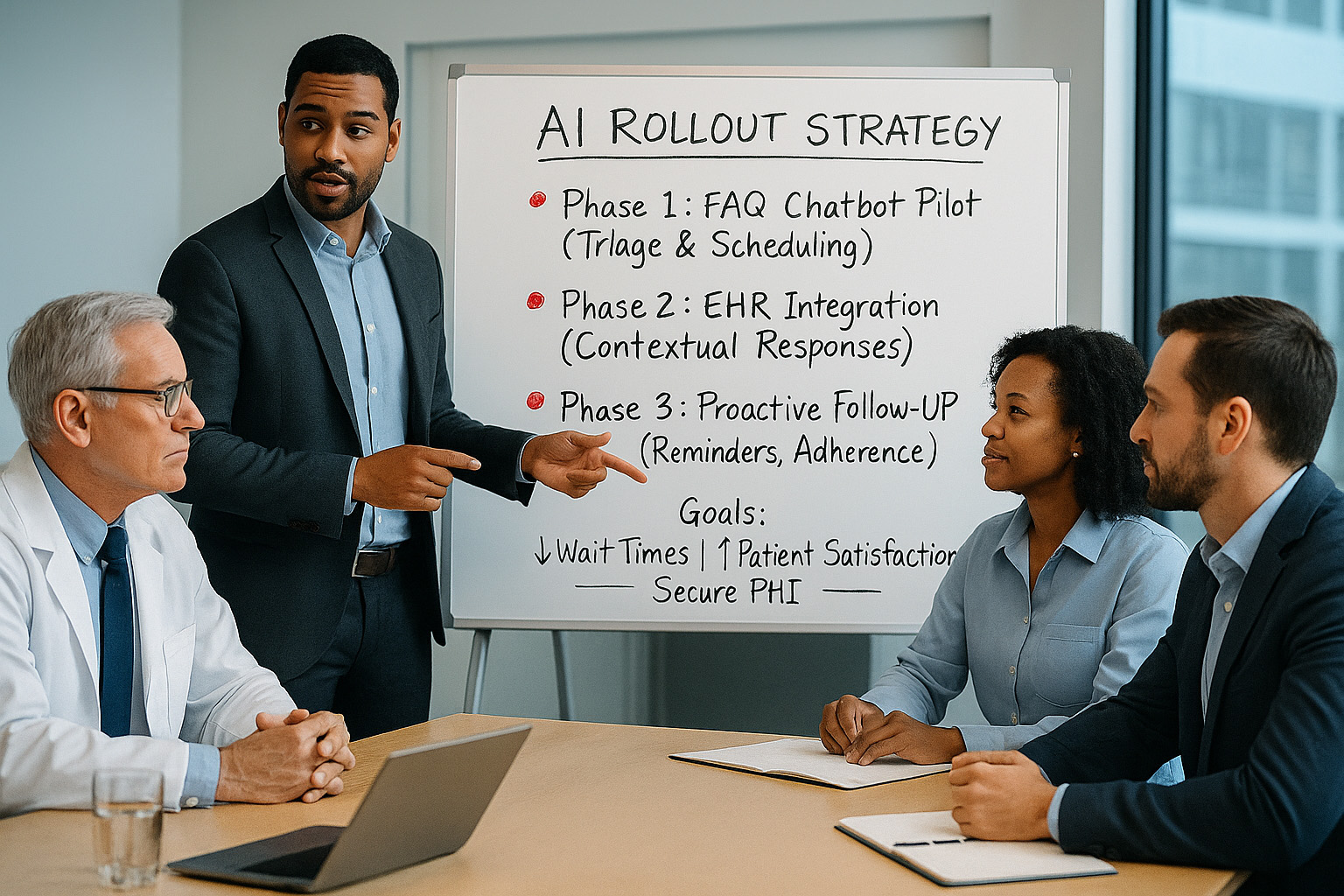
The hospital’s journey to AI-powered patient engagement involved a carefully planned, phased approach:

Conversational AI, powered by Natural Language Processing (NLP), offers more than just automated responses; it unlocks new dimensions of efficiency and patient-centric care.
Streamlined Operations & Reduced Costs:
Enhanced Patient Experience (CX) & Engagement:
Improved Health Outcomes:
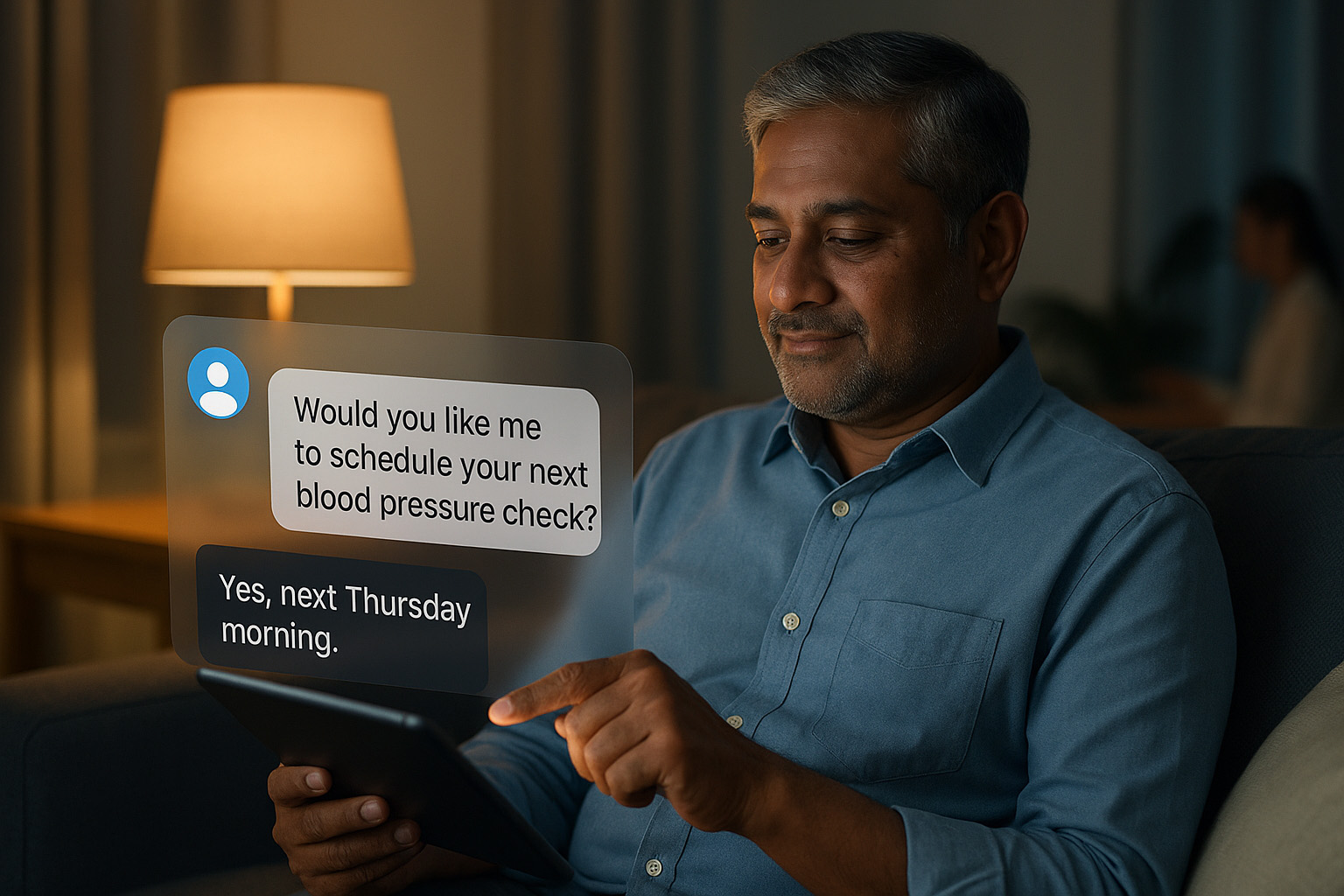
AI-driven Patient Engagement: Chatbots for medication reminders, appointment booking, health query responses.
Health Monitoring & Education: Digital assistants that monitor patient health and provide condition-specific education.
Mental Health Support: AI chatbots serving as accessible first-line support for mental wellness.
Successfully deploying Conversational AI requires careful planning.
Data Security & Privacy (HIPAA Compliance): Protecting sensitive patient information is paramount. Ensure robust security measures and HIPAA compliance for any AI system handling Protected Health Information (PHI). Data breaches are a significant concern.
AI Ethics & Bias Prevention: AI algorithms learn from data. If training data is biased, the AI can perpetuate those biases. Actively work to ensure training data is balanced, diverse, and that AI use is ethical.
System Integration & Compatibility: Plan for seamless integration with existing hospital IT systems (EHRs, patient portals).
Defining Scope & Starting Small: Begin with specific use cases and scale based on success, rather than attempting a massive overhaul at once.
Change Management & Staff Training: Prepare your team for the new technology and processes.
Conversational AI is rapidly maturing. Future trends suggest:
While implementation costs and ongoing ethical oversight remain important considerations, the potential for reduced healthcare costs, dramatically improved patient experiences, and better health outcomes makes a compelling case for strategic adoption.
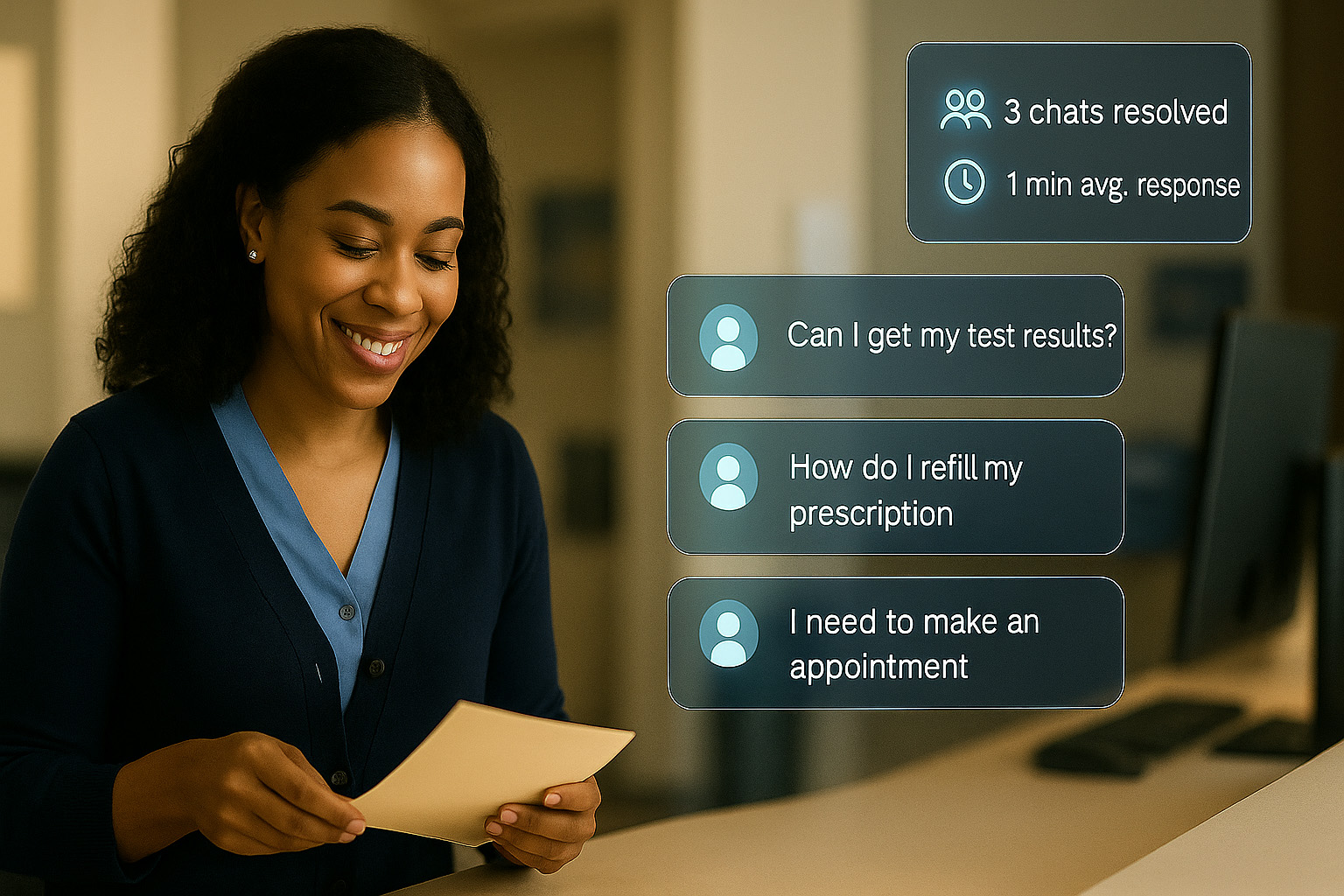
Adopting Conversational AI is quickly moving from an innovative option to a strategic necessity. The benefits are clear:
The key is a balanced approach—leveraging AI’s power while ensuring robust data privacy, preventing bias, and maintaining the essential human touch in care.
FAQs:
Q: What is Conversational AI, and how does it apply to healthcare?
A: Conversational AI involves using messaging apps, voice-based assistants, and chatbots to automate communication. In healthcare, it facilitates personalized patient engagements, improving communication efficiency between patients and providers.
Q: What are the benefits of implementing Conversational AI in healthcare?
A: Implementing Conversational AI in healthcare leads to improved patient satisfaction, reduced operational costs, increased efficiency, and better health outcomes. It enhances patient engagement, medication adherence, and follow-up rates, ultimately enhancing the overall healthcare experience.
Q: What challenges need to be addressed when implementing Conversational AI in healthcare?
A: Challenges include ensuring data security and privacy, preventing biases in AI algorithms, and addressing concerns surrounding ethical AI usage. Healthcare institutions must navigate these challenges to ensure successful implementation and mitigate potential risks.
Q: How does Conversational AI complement human interaction in healthcare?
A: Conversational AI is not designed to replace human interaction but to augment it. It takes over mundane tasks, allowing healthcare professionals to focus on more human-dependent tasks. The goal is to enhance patient care and improve the overall patient experience.
Q: What is the future outlook for Conversational AI in healthcare?
A: The future of Conversational AI in healthcare appears promising, with anticipated benefits including reduced healthcare costs, improved patient experiences, and better health outcomes. However, challenges such as data security and ethical considerations must be addressed to ensure responsible and ethical AI usage in healthcare.
Every high-performing conversational AI project in these examples had one thing in common: they moved beyond “add a chatbot” and built an actual operating system around patient interactions and clinical content delivery.
They defined source material, captured brand/clinical voice as infrastructure, used structured prompts, and built in review standards and governance.
In other words, they didn’t just adopt AI — they operationalized it.
Reading great case studies is motivating. Replicating the results in a regulated environment is harder.
The gap most healthcare teams face is infrastructure. They have the clinical ambition and the patient data, but they don’t have the repeatable, compliant system that makes success scalable and defensible.
This is exactly where the Pragmatic Content Engine was built to help. It gives teams the complete foundation needed to move from scattered AI experiments to governed, brand-safe, and clinically compliant content and conversational workflows:
If your healthcare organization is experimenting with conversational AI but still struggling with inconsistent patient experiences, heavy compliance reviews, or clinical voice drift, the solution isn’t more tools.
It’s building the operating system underneath the technology. The organizations winning with conversational AI in healthcare in 2026 aren’t the ones with the newest voice models — they’re the ones who built the right governed system around them.
The Pragmatic Content Engine is the practical starting point for teams ready to make that shift.
Scot Westwater is the CSO and Co-Founder of Pragmatic Digital. He is an architect of practical AI operating systems that help operations and marketing teams move from robotic output to governed, brand-safe workflows. With over 25 years of building digital platforms for Fortune 500 brands, Scot focuses on turning AI experimentation into repeatable, measurable processes that drive real business impact. He is a co-author of Voice Strategy and Voice Marketing.

Weekly insights on AI adoption, workflow, and what's actually working in mid-market organizations.