
Menu


Conversational AI and voice AI have moved from novelty to operational necessity in restaurants.
The operators seeing the biggest results aren’t just adding chatbots or voice ordering — they’re embedding AI into governed, repeatable workflows that protect brand voice, reduce staff burden, and improve the guest experience.
This post looks at real-world examples of how restaurants are using conversational AI today, and what it means for teams building scalable AI content and operations systems.
Most restaurant AI experiments fail for the same reason: they treat AI as a standalone tool instead of a workflow layer.
The operators seeing consistent results consistently do three things well:
Missed reservations. Unhappy customers waiting for takeout. Staff so overwhelmed with phone calls they can’t focus on the guests in front of them.
If this sounds familiar, you’re not alone. But clinging to manual processes is a recipe for losing business. This conversational AI case study isn’t theory—it’s a real-world look at how one restaurant solved these exact problems.
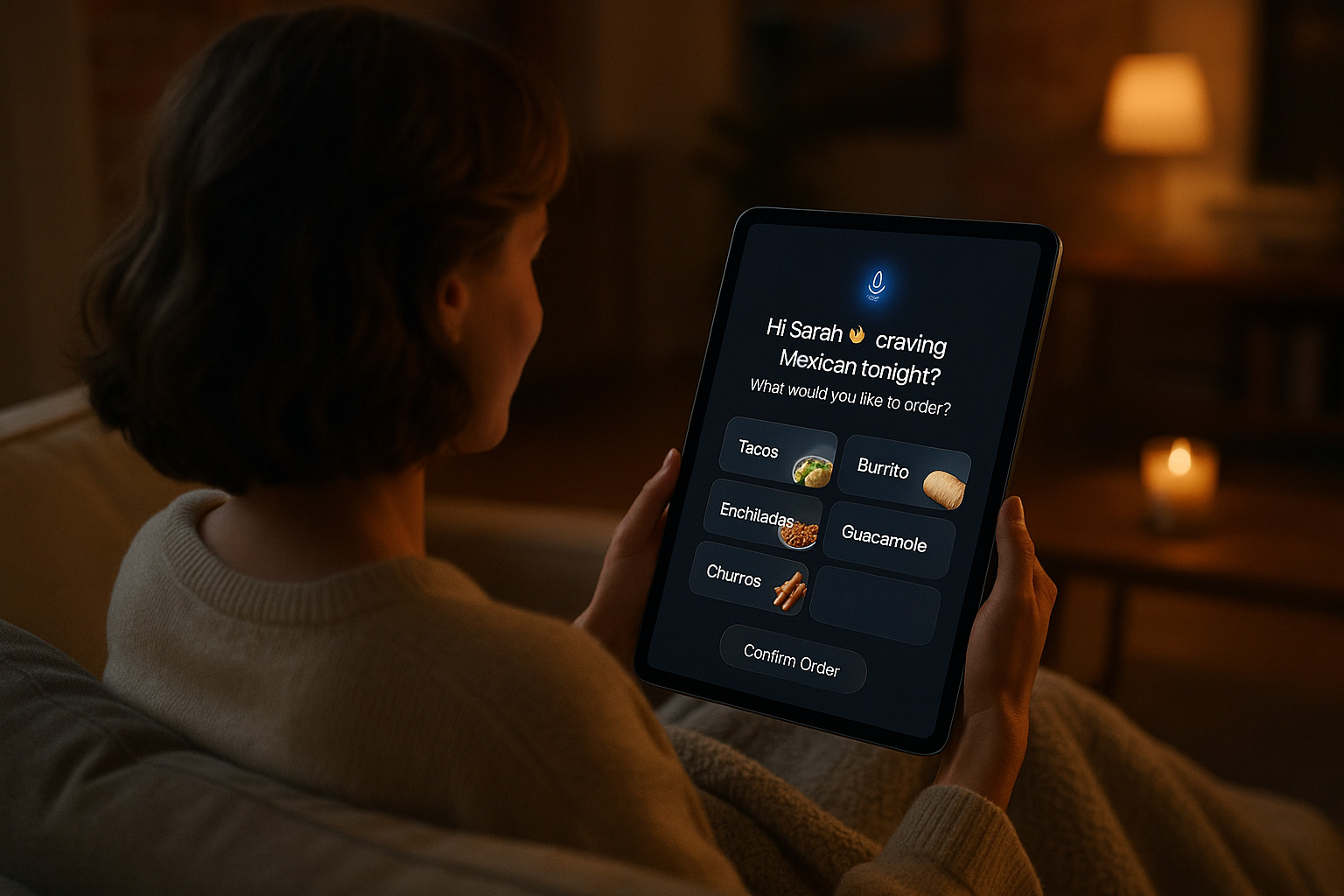
Here’s the full breakdown of how they did it, and the lessons you can apply to your own restaurant today.
Let’s cut to the chase. Conversational AI for restaurants is simply technology that talks to your customers like a human would. It automates communication to make your business faster, smarter, and more profitable.
It’s not about replacing your team; it’s about giving them superpowers. AI doesn’t replace your staff—it frees them to focus on creating the memorable in-person experiences guests crave.
Key examples in action:
This case study focuses on a popular, well-established local restaurant that was struggling with the operational pains of success.
The restaurant implemented two core restaurant AI chatbot solutions: a website chatbot for reservations and a voice AI for phone orders. The system was live within 30 days, with two weeks of staff training focused on managing the new, streamlined workflow.

After 90 days, the results were transformative, impacting both the bottom line and customer happiness. Beyond operational efficiency, conversational AI transformed the guest experience: shorter wait times, higher order accuracy, and personalized interactions delighted customers.
This restaurant analytics case study also highlighted valuable data insights—helping them understand peak order times, most requested dishes, and opportunities to upsell.
You can achieve similar results by focusing on these key lessons from the case study:
The trend is clear: more automation, more personalization, and more data. Restaurants that leverage AI to manage inventory, predict customer demand, and personalize the dining experience will dominate the next decade. Those that don’t will be left with empty tables and shrinking margins. The sooner you act, the sooner you build a competitive moat your rivals can’t easily cross.
Every high-performing conversational AI project in these examples had one thing in common: they moved beyond “add a chatbot” and built an actual operating system around guest interactions and content delivery.
They defined source material, captured brand voice as infrastructure, used structured prompts, and built in review standards and governance.
In other words, they didn’t just adopt AI — they operationalized it.
Reading great case studies is motivating. Replicating the results is harder.
The gap most restaurant teams face is infrastructure. They have the desire to use AI and the guest data, but they don’t have the repeatable system that makes consistent success scalable.
This is exactly where the Pragmatic Content Engine was built to help. It gives teams the complete foundation needed to move from scattered AI experiments to governed, brand-safe conversational and content workflows:
If your restaurant or hospitality team is experimenting with conversational AI but still struggling with inconsistent guest experiences, heavy staff involvement, or brand voice drift, the solution isn’t more tools.
It’s building the operating system underneath the technology. The operators winning with conversational AI in 2026 aren’t the ones with the newest voice models — they’re the ones who built the right system around them.
The Pragmatic Content Engine is the practical starting point for teams ready to make that shift.
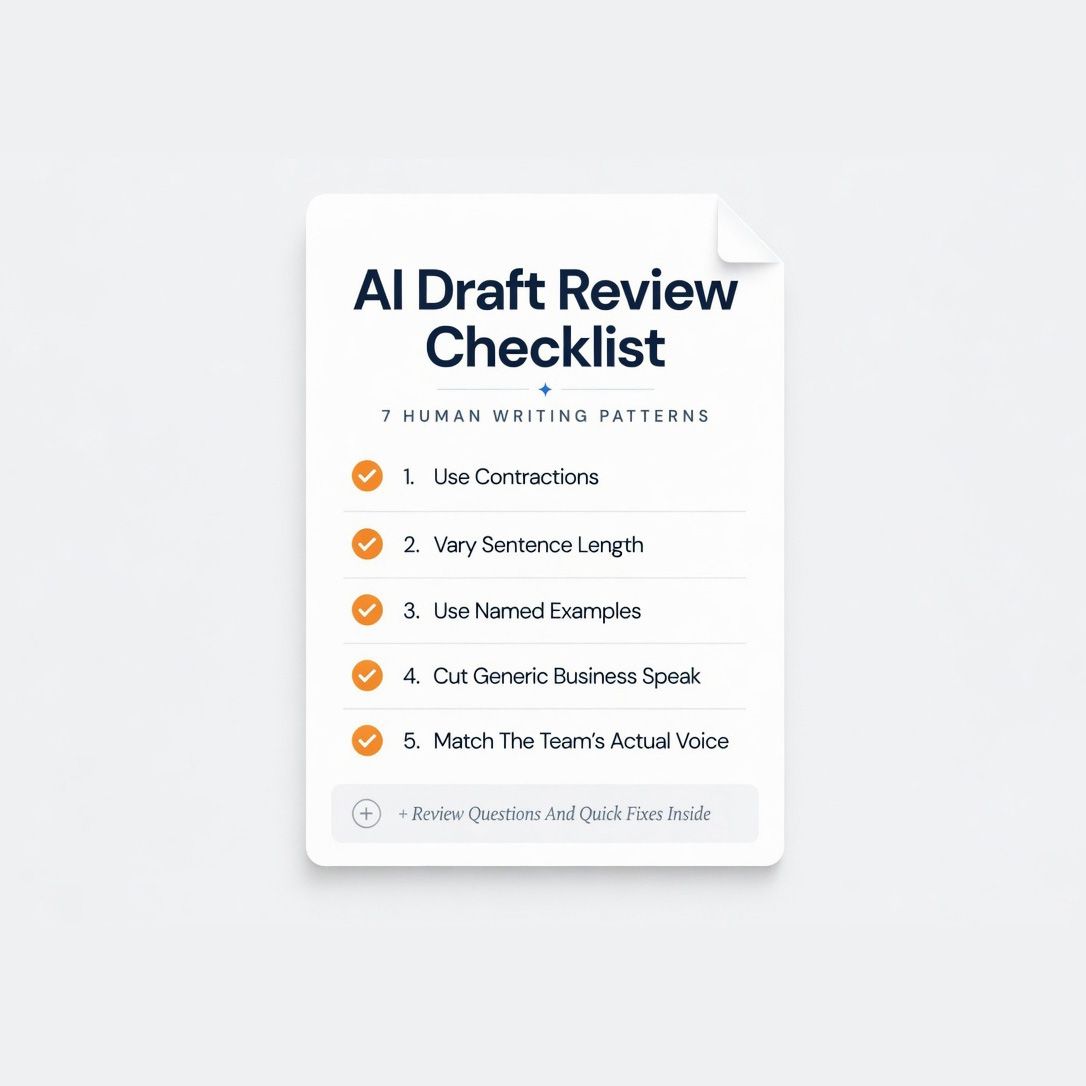
Get the 7-pattern review checklist we use to turn generic AI content into sharper, more specific, on-brand drafts before they hit an editor, client, or approver.
Get the Checklist NowNot a prompt pack. A practical review lens.
Scot Westwater is the CSO and Co-Founder of Pragmatic Digital. He is an architect of practical AI operating systems that help operations and marketing teams move from robotic output to governed, brand-safe workflows. With over 25 years of building digital platforms for Fortune 500 brands, Scot focuses on turning AI experimentation into repeatable, measurable processes that drive real business impact. He is a co-author of Voice Strategy and Voice Marketing.

Get the Pragmatic Advisor, our monthly digest of real-world AI strategies for operations, strategy, and innovation.